Inside the small homes offering cheaper care

 BBC
BBCWith councils under growing financial strain, two alternative care models in the South West are being held up as cheaper, kinder ways of supporting people.
Both projects are based on the same idea, of smaller, more human settings where people feel at home.
Those behind them believe they could shape the future of care.
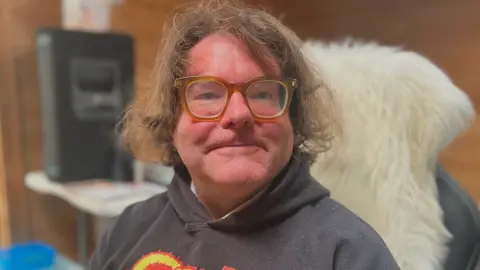
In Portreath, a seaside village on Cornwall's north coast, Mark has lived in the same house for more than 25 years.
A Manchester United and Star Wars fan, he works at a nearby garden centre and spends evenings at his local social club. Mark has learning disabilities, but he does not live in a care home or with family, he is part of a Shared Lives household.
"I like living here with Lynn because Lynn is kind and friendly and she supports me with everything," he said.
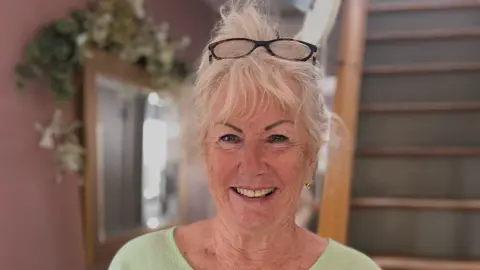
Four adults with learning disabilities share the home with Lynn Whiting, who opened her door through Shared Lives South West, a charity working with Cornwall Council.
Another housemate, Chris, has made his bedroom his own over the past decade.
"You get your independence. You do what you want, really, and help out," he said.
The household runs like a family, a set‑up Whiting began when she had young children.
"It meant I could carry on working with adults with learning disabilities, which I love, and still be at home for my children. It worked in every way," she said.
There are now about 290 Shared Lives households across the region.
According to Ed Bunce‑Phillips from the charity, it can save local authorities up to £20,000 a year per person compared to some other types of care.
"But most importantly, it is high quality," he said.
"It feels natural. People are part of families and communities."
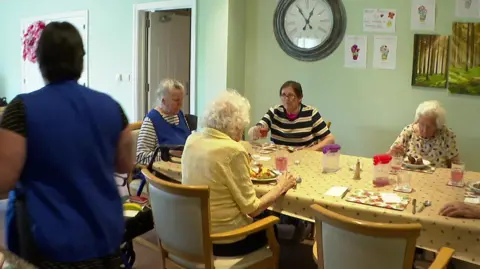
Near Barnstaple, another model puts older people into small lodges instead of large care homes.
Marie Davis, manager at Hadley Care, said: "These smaller environments work really well. It is more personal. If someone wants to go out to the shops, they can. It does not have to be a big organised trip."
Hazel Summers, who moved from London, agrees: "I do not feel like a patient. We are like a family. We eat together and chat. It is ideal."
Friends Stella Puig and Joan Harte say the biggest difference is company and that you are "never lonely", that people "look after each other and have a laugh."
