Hope for families with hereditary cancer risk

 BBC
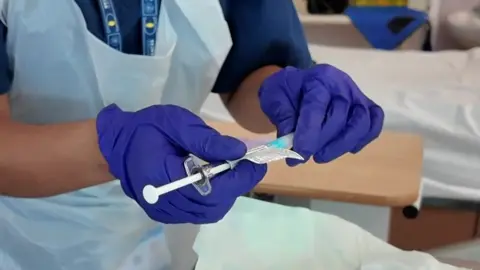
BBCA vaccine trial has begun to see if it can help protect the one in 300 people who have a greater risk of developing cancer.
The vaccine has been designed to help with an inherited condition called Lynch Syndrome, people with it have up to 80% chance of getting some cancers in their lifetime.
It's thought more than 175,000 people have it in the UK – those that are aware of it rely on regular screening and sometimes surgery.
The study is a collaboration between the University of Oxford and the biotech company Moderna.
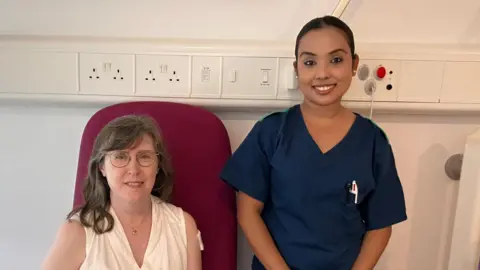
The first person to receive the vaccine as part of this study is Sarah Ewart, 53, from Oxford where she works as a software developer. She found out she had Lynch Syndrome 24 years ago.
"For people living with a higher risk of cancers, a preventative vaccine encouraging the body to spot and attack early cancers would be life changing.
"I'm excited to be in the first phase of this trial, and so grateful to the researchers and medical staff. I hope the trial is successful, and becomes a massive leap forward in reducing cancers."
Lynch syndrome is an inherited condition and increases the risk of cancers such as prostate, colorectal, ovarian, endometrial and stomach cancer.
At the Oxford Cancer Centre in the Churchill Hospital a new vaccine trial called INTERCEPT – Lynch aims to shift care from treating the disease to prevention by stopping Lynch syndrome-associated cancers before they develop.
This clinical trial is part of a 10-year strategic partnership between Moderna and the UK Government, established in 2022, to strengthen the UK's mRNA capabilities and pandemic preparedness.
Messenger RNA (mRNA) vaccines use a small piece of genetic code to teach the body how to fight viruses, famously helping save lives during the COVID-19 pandemic.
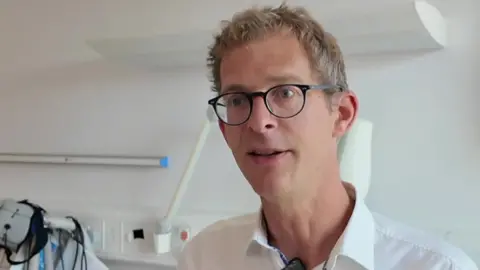
Professor David Church, Cancer Research UK senior cancer research fellow in the University of Oxford's Centre for Human Genetics in the Nuffield Department of Medicine and the lead investigator in the trial: "By using mRNA vaccine technology to train the immune system to recognize early cancer changes, or what we call 'pre-cancer,' we hope to reduce cancer risk and ultimately improve the lives of people with this inherited condition."
Lynch Syndrome causes alterations in genes responsible for repairing DNA, leading cells to accumulate DNA errors which can lead to cancer. It is the most common hereditary cancer predisposition condition.
Church explained: "What we've found is that even at the earliest stages of pre cancer, these alterations in DNA and protein are present, so vaccine targets are there early in the pre cancerous process in people with Lynch Syndrome.
"That's where we want to target it, before pre cancers become cancers. We hope the vaccine will enable the immune system to eliminate those pre cancers very early on."
It's thought that just 5% of people are aware they have this inherited condition. It's hoped that an effective vaccine will encourage more people to come forward and get tested – meaning in future they too can be protected.
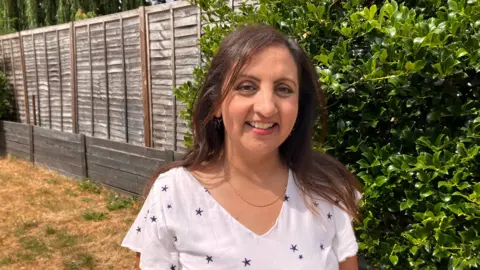
Bep Sandhu from Maidenhead, Berkshire has Lynch Syndrome. For her family, the threat of cancer is always there: "Cancer has sadly rippled through my family. We lost my dad to prostate cancer, my mum has had bowel cancer and I have had cancer three times."
Sandhu is one of four patient advocates who have been involved from the earliest stages of research through to the clinical trial delivery and have played a critical role in discussing the concerns, hopes and challenges those who live with Lynch Syndrome.
"There is a fear that we do live with, putting us at higher risk of certain cancers, and you know, it's stark, it's hard, to think about the implication of what that can mean for the length or our lives the quality of our lives," Sandhu said.
The first phase of the trial is expected to take up to a year.
Phase 2 could begin next spring across multiple centres in the UK, including Oxford.
Church explained what was hoped from this first trial: "The first part of the study is to make sure the vaccine is safe, and it's well tolerated so it doesn't cause side effects that would prevent people from receiving the vaccine, we will also be testing to see if the vaccine is training the immune system as we hope it will do."
And Sandhu believes the trial's success could be momentous: "The hope that this vaccine brings is huge, it is life changing it means we know there is a vaccine that can protect us, my family, and future generations of my family, so for us this is huge."
You can follow BBC Oxfordshire on Facebook, X (Twitter), or Instagram.
