Teacher shares 'biggest advice' for kids starting primary school

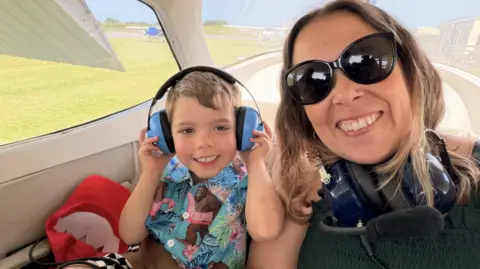 Nicki Hale
For many families, the countdown to starting school has already begun, with parents wondering whether their child is ready for the classroom.
Nicki Hale, a primary school teacher from Somerset whose son is starting school this autumn, said that, despite common concerns, children do not need to begin school already able to read or write.
Having taught Reception-aged children herself, Hale is keen to reassure parents that they do not need to become teachers at home before September.
"That's my biggest advice," she said.
She said she would often spend time "undoing a lot of the bad habits" children had developed before starting school.
There is also a risk children can become "bored and despondent" if they are pushed too far ahead before they start, she added.
And she is not alone. Educational experts that the BBC has spoken to also say the most important thing a parent can do is ensure a child's "self-care skills" are ready before school.
'Focus on independence'
Hale, 41, from Burnham-on-Sea, said: "Like any parent, I'm feeling quite nervous about sending him to school.
"The next stage of his development is obviously a nerve-wracking thing."
Based on her teaching career and early years degree, Hale has tried to prepare her son as much as possible.
"General independence, that's what I'm focusing on the most," she said.
"Making sure he can put his shoes on himself, make sure if he does have a toilet accident, he can clean himself. All of the self-care things are really important."
 Getty Images
What do teachers look for?
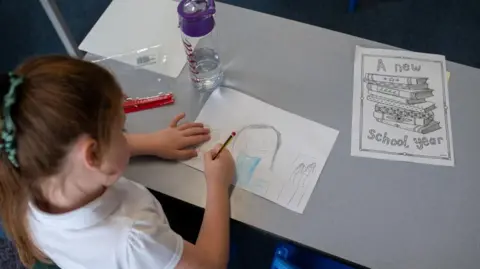
Many Reception teachers say school readiness is less about academic ability and more about confidence and independence.
Skills that can help children settle into school include:
- Using the toilet independently
- Washing and drying their hands
- Putting on a coat and shoes
- Following simple instructions
- Recognising their name
- Communicating when they need help
 Handout
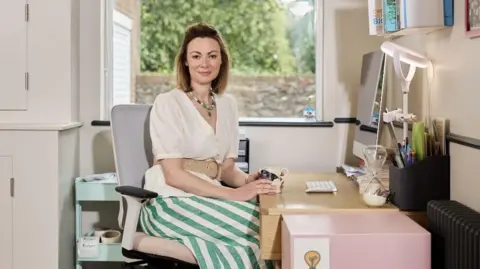
Children's psychotherapist Gee Eltringham from Bristol said transitioning to primary school is a "huge amount" for a child to take on
"For a lot of children you'll notice separation anxiety which is totally normal," she said.
"I would start the conversations now during the summer holidays - I call it seed planting.
"Get the uniform out, do the walk or drive to school a few times, show them pictures of their teachers.
"It's also important they already have independence and self-care skills.
"Can they put their coat and shoes on, know how to use cutlery, are fully toilet trained? That's a good place to start."
Government focus on 'school-readiness'
In April, the government published new guidance setting out how schools and early years settings should work together to help children move into Reception.
The guidance followed concerns about school-readiness and encourages schools, nurseries, childminders and families to work more closely together.
Minister for Early Education Olivia Bailey MP said bringing settings together would help ensure children arrived at school "feeling settled and ready to learn".
 Bright Horizons
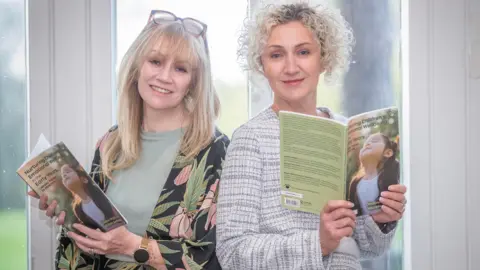
Michelle Demirtas, head of early childhood education at Bright Horizons, which runs a day nursery and pre-school in Bristol, said preparing children for the transition to Reception "starts long before they step into a classroom".
"We take a holistic approach. Helping children develop the confidence, independence, emotional awareness and social skills they need to thrive when they start school," she said.
"Over the summer, parents can help by focusing on simple everyday experiences. Encouraging children to dress themselves, practise using the toilet independently.
"Every child develops at their own pace. What matters most is that children feel safe, supported and excited about this next stage in their learning journey."
 Getty Images
'Children need stamina'
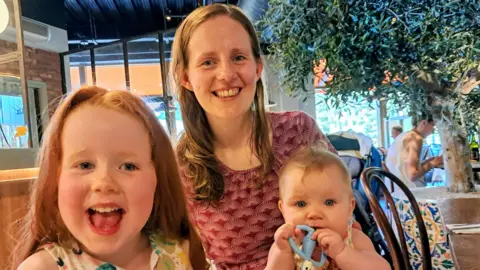
Maria Bennett, from Swindon, has been a Reception teacher since 2019 and now has a daughter due to start school in September.
Her daughter currently attends pre-school for 15 hours a week.
"My main worry is whether she will have the stamina to keep going all week, every week for the whole term," she said.
Now on maternity leave with her second child, Bennett said one area she notices in the classroom is children's use of screens.
She said she could "really notice which children have really noisy and busy screens on all the time in early childhood".
Those children often found activities such as handwriting "not very stimulating compared to an iPad", she added.
From her experience, Bennett said children who do not spend too long on devices are often "more ready for a classroom environment".
 Maria Bennett
Top tips for starting school
- Talk to your child and prepare them with what they can expect. Discuss what a school day might involve and answer any questions your child has.
- Expect them to be tired, starting school can be a lot for children, even for children who already attend nursery or pre-school. Hale said she would not be planning too much for her son during the first few weeks of term.
- Enjoy the time before school, it's a special time that doesn't happen again so make the most of it.
- Organise play dates with other children they will be going to school with. This will start to form friendships.
- Get them active, it supports their core strength and general fitness. Bennett said she has taught children who "physically can't sit with their legs crossed and their back straight on the carpet for two minutes, because they're just slouched on the sofa all the time".
- BBC Bitesize has a whole toolkit for this important stage.
Follow BBC Wiltshire on Facebook, X and Instagram. Send your story ideas to us on email or via WhatsApp on 0800 313 4630.
