Children fit make pesin lifespan short?
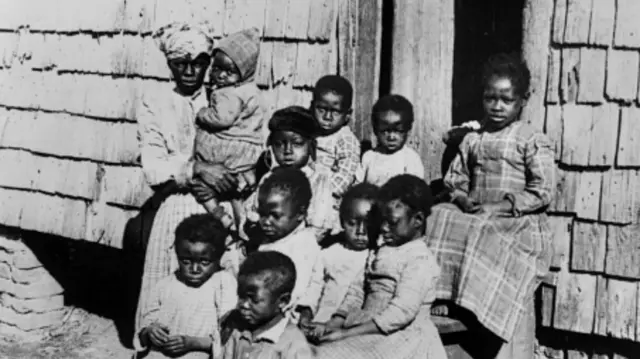
Wia dis foto come from, Underwood & Underwood/CORBIS/Corbis via Getty Images
- Author, Kate Bowie
- Role, Global Health, BBC World Service
- Published
- Read am in 5 mins
Wen children throw tantrums, reject dinner or no gree sleep, some mothers dey use am joke say di children dey reduce di numbers of di years for dia lives.
But new research don suggest say dis fit be truth for women wey dey live for harsh conditions.
Some mother lives fit don reduce for up to six months for evri child dem get, analysis of historic records suggest say women wey dey live for di most difficult environments dey experience am.
Evolution researchers bin torchlight one parish records – wey get births and deaths for di population – about 4,684 women wey dey alive around di time of di Great Finnish Famine between 1866 and 1868.
Dis na one of di "most horrific famines in recent European history," di study lead researcher, Dr Euan Young from di University of Groningen for di Netherlands.
Women wey give birth during di famine see say dia life expectancy cut by six months for each child, Dr Young and im team discover - Prof Hannah Dugdale, Prof Virpi Lummaa and Dr Erik Postma.
Dis fit be bicos di mothers bin redirect one huge amount of energy from repairing dia own cells to reproducing, wey leave dem at an increased risk of disease later in life, di findings suggest.
But no link dey between a woman lifespan and giving birth for dos wey live bifor or afta di famine.




End of Di one wey oda users dey read well well
"We only see dis trade-off wit di women wey bin dey dis reproductive period during dia life wen di famine occur," Dr Young tok.
Dis suggest say di environment women bin dey live during dia childbearing years na key factor.
Why to get children dey impact lifespan?
So, why dis dey happun?
One explanation fit be say di long-term health effects of having children fit dey worsen sake of harsh environmental conditions.
Pipo don know for long now say, mothers dey at higher risk for cardiovascular and metabolic diseases, sake of weight gain plus increased physiological stress.
"Potential explanation dey wia na di act of raising, breastfeeding, pregnancy wit children during dis period fit cause dis depletion of resources for di mother," Dr Young add.
Pregnancy and breastfeeding need plenty energy, wey mean say during famine, a new mother get even less energy to maintain di bodily functions wey stop her from developing diseases later in life.
"E dey possible within these populations, wia women dey get many, many, more children, and maybe dem no dey get dat recovery time between each, dat [health impacts] do compound," Dr Young explain.
But, as di study examine historical data, instead of creating new data inside laboratory experiment, e say im no dey sure.
Di offspring-lifespan 'trade-off'
Di findings also dey more pronounced in women wey get many children, but all women no dey affected equally, Dr Young study suggest.
"Na really these two concepts of these very large family sizes… and these kinds of famine events," Dr Young explain.
For decades, scientists dey puzzled by di difference between species wey dey live shorter lives and produce many offspring - like mice and insects - and dos wey dey live longer and get fewer offspring - like elephants, whales and humans.
One leading theory involve di redirection of energy for cell repair for reproduction - wey dey contribute to ageing.
Modern women dey affected di same way?
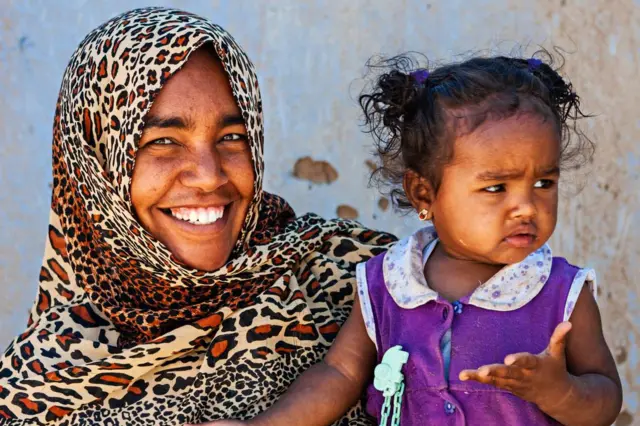
Wia dis foto come from, Getty Images
But di findings wey dey take from women 200 years ago fit dey applicable to mothers for di 21st Century?
"E dey important to contextualise dis mata within dis historical period, wia modern healthcare regimes no dey as strong," Dr Young tok.
"During dis period, women dey get maybe a median of around four or five children, wey big pass di family size we dey get today."
Since di 1800s, di number of children for families don reduce drastically across di globe.
For 2023, di average woman get just ova two children - one change wey growing access to education, di workplace and contraceptives, plus di declining rates of child mortality dey drive.
Howeva, e get countries - like Niger, Chad, Somalia and South Sudan - wia women still commonly get at least four children.
And, for last year, di UN-backed body food insecurity initiative bin declare famines for both parts of Sudan and Gaza, di Integrated Food Security Phase Classification.
While Dr Young tok say dem need to carry out more work, dis suggest say e dey possible say di findings currently just dey for some parts of di world.