There is now every chance of preventing a prolonged energy shockpublished at 11:36 BST
 Faisal Islam
Economics editor
The caveats are accurate.
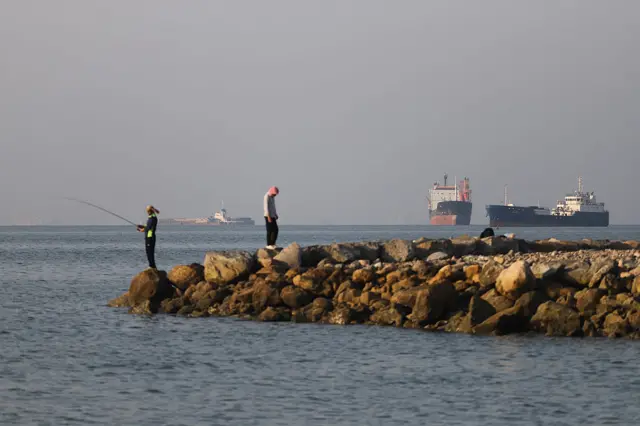
It is going to take time to fire up the engines of hundreds of tankers and ships locked in to the Gulf. It is going to take months to restart many damaged gas facilities in the region. It does depend on a fragile peace.
The more substantial point here, however, is that there is now every chance of avoiding a prolonged energy shock.
The world economy, and the UK economy, has already proven far more resilient than it would have been expected from a shock of this magnitude. It had never reached the extremes of what occurred when Russia invaded Ukraine four years ago.
Petrol prices, and fixed mortgage rates, had already started to fall. Domestic energy bills will still rise in July, but the much feared hike in October ahead of winter is now very much up for grabs.
Fears about the southern hemisphere sowing season having to use critically expensive fertilisers may now lessen, and help calm a feared food price shock. In the UK context, if sustained, inflation may not actually reach 4% as feared, a world away from double digit rates seen in 2022.
Fixed mortgage rates have started to fall alongside falls in global government borrowing costs, including in the UK, as markets anticipate the need for fewer interest rate rises.
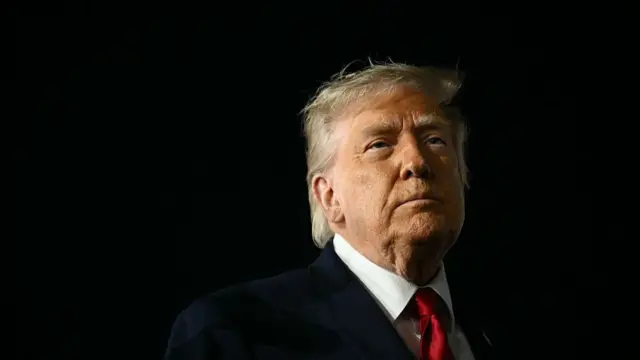
The peace deal is fragile, but the assumption is that President Trump will want to avoid it flaring up again before the November mid-term elections.
While it will still take some time for any sense of normal to return to the world economy, after all long roller coaster of uncertainty, this is undoubtedly positive news for the economy and the cost of living in the UK and around the world