What was Viking society like?

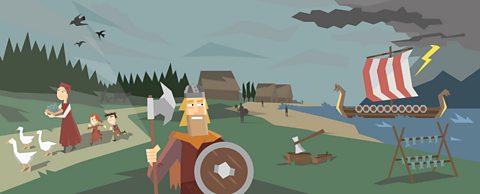
Not all Vikings were raiders, some came to Britain to live peacefully. Viking society had a hierarchy with the king being the most powerful person. They had their own laws and government.
Most Vikings were farmers who planted vegetables and kept animals. Others were craftworkers and jewellers. Some Vikings were blacksmiths and potters.
They lived in long, rectangular homes called longhouses. These were made from wood or stone and had a thatched roof. There was only one room to share.
Most Vikings were pagans. They prayed to many gods and goddesses and believed in trolls and dragons.
| Viking | Who were they? | What did they do? |
|---|---|---|
| King | The most powerful person in all the land | Ruled the people and everyone looked up to him |
| Jarls (nobles) | Rich landowners or traders | They employed men to work for them |
| Karls | Everyday people like farmers and craft workers | They weren't as rich or important as jarls but they weren't poor either |
| Thralls (enslaved people) | Bottom of the hierarchy | They did the hardest, dirtiest jobs and if they tried to run away they could be killed. However, if thralls could earn enough money they could buy their freedom |
Timeline - The Vikings

Image caption, Click the arrows to learn more about the Vikings!


1 of 10
Important words for the Vikings
| Keyword | Definition |
|---|---|
| Raiders | People who took part in quick, surprise attacks. |
| Hierarchy | A way of ordering things according to power or importance. |
| Longhouses | Long, narrow homes with one room. |
| Thatched | Built with natural materials such as straw. A thatched roof is a roof made from straw. |
| Things | Open-air meeting to discuss laws, problems and to punish criminals. |
| Myths | Traditional stories that explain the world, nature or teach lessons, often involving gods and heroes. |
What jobs did Vikings do?
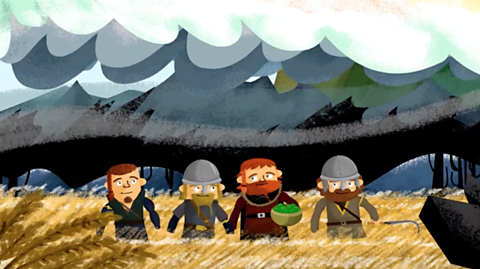
Many Vikings were farmers.
They grew oats, barley and wheat. They ground the grain to make flour, porridge and ale. They planted vegetables, and kept animals like cows, sheep, pigs and chickens.
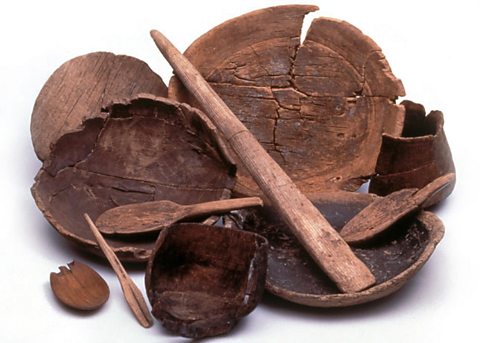
Other jobs were:
- Craftworkers who made plates, cups, belts and shoes.
- Jewellers who made rings and brooches from precious metals.
- Blacksmiths who turned red-hot iron into tools, knives and swords.
- Potters who baked clay pots in a wood fire oven.
What were Viking homes like?
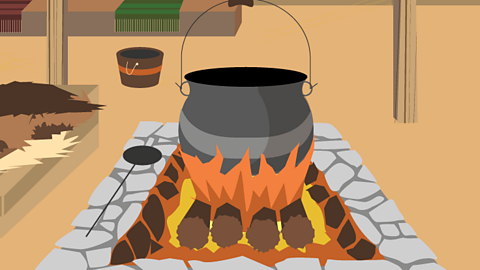
- A Viking house was called a longhouse.
- It had just one room for all the family to share with their animals. In the middle, there was a fire for heating and cooking.
- It was built from wood or stone and had a thatched or turf roof on top.
- There were benches alongside each side of the house for resting on.
- Vikings washed themselves in a wooden bucket or beside a stream.
- The toilet was a big hole in the ground outside.
Watch: What did the Vikings believe?
Find out more about what the Vikings believed
The gods were very important to the Vikings. They loved to talk about them, worship them and argue about them which was their favourite!
The Chief god was Odin. He created Midgard, the home of the humans, and Asgard, the home of the gods.
Thor was the god of thunder, who fought with a mighty hammer so powerful it could crush mountains.
He rode a chariot pulled by two goats, which he often ate and then brought back to life!
The Norse people loved Thor, because he was the god who protected them and their world.
His goats might not have been so keen on him though!
Loki was a trickster and he loved making trouble.
He also had the rather cool power of being a shape-shifter.
Eventually Loki went too far with his pranks and the gods punished him severely!
There were other gods too like Frigg, the wife of Odin, and Mani the god of the moon.
There were also gods for things like peace, winter and even old age!
The Vikings believed that they might wander the world as ghosts if they weren’t given the right type of funeral.
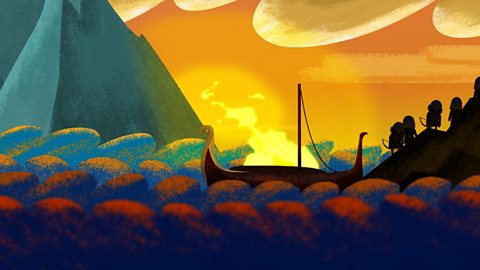
And important Vikings, such as chiefs, wanted to be just as powerful in the afterlife, so they were often cremated on a burning ship along with their favourite treasures, weapons, pets and even servants.
If Vikings died bravely in battle they might be selected by Odin to go to great feasting halls such as Valhalla.
Flying warrior maidens called Valkyries would escort them from Midgard to the afterlife.
There they would fight, drink and eat all day and night with the gods – and Thor’s goats, of course.
How did the Vikings settle problems?
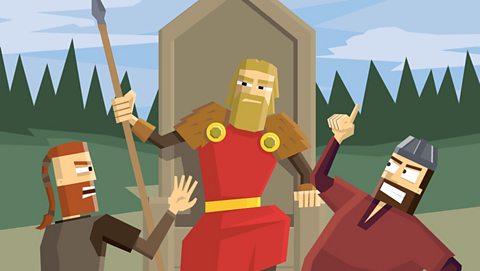
- Vikings had their own laws and government.
- People gathered at a meeting called a ‘Thing’. Here they would settle problems and make decisions.
- Every free Viking had the right to speak. People could vote on what should happen. For example, the Thing might decide who owned a piece of land or how to punish a criminal.
Viking beliefs

Image caption, Odin
Vikings believed Odin was the ruler of the gods. He was the god of war and wisdom.


1 of 3
Think like a historian

Have a look at the thinking points below and think about your answer to each question. You could even write them down on a piece of paper or discuss them with somebody else if you want to.
Why do you think the thralls did the hardest, dirtiest jobs?
What similarities exist between the jobs the Vikings did and the jobs that we have today?
When Viking chiefs died, what happened to them?
Here are a few possible ideas you might have thought about. Well done if you did! Was there anything else you thought about?
The thralls did the hardest, dirtiest jobs because they were the slaves. They had few rights and if they tried to run away, they would be killed.
The Vikings had jobs such as farmers, jewellers, blacksmiths and potters. In today’s society, people can still have these jobs.
When Viking chiefs died, they wanted to be powerful in the afterlife. They were put on a burning ship with their treasures, weapons, pets and some servants.
Activities
Activity 1: Viking families
Click on each of the Viking family members below to find out more about their life.
Activity 2: Viking homes
Click on the labels to find out more about what was inside a longhouse.
Activity 3: Quiz - Viking life
Grown-ups Corner
Are you a parent, carer or teacher? Take a look at some of the links below on KS2 History which are packed full of knowledge, videos, quizzes and activities.
Viking beliefs
Bitesize for Teachers
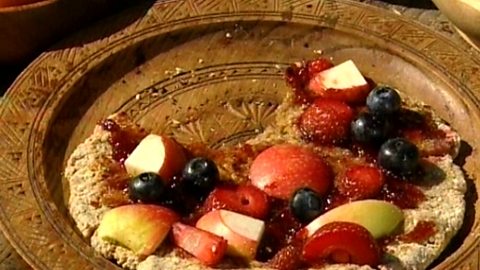
Viking food
Bitesize for Teachers
The Story of Britain: The Vikings
Bitesize for Teachers
Horrible Histories: Raid and Trade game! game
Play Horrible Histories: Raid and Trade KS2 History
More on Vikings
Find out more by working through a topic
- count7 of 10
- count8 of 10
- count9 of 10