1. Introduction
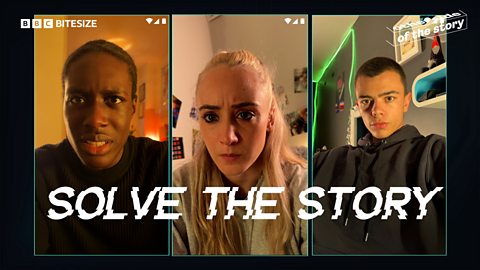
Solve the Story is a six-part narrative series designed for classroom use, to help young people develop and strengthen their media literacy skills.
This page will guide you through the full programme, including:
Narrative videos: Follow the story and apply critical thinking to uncover key clues
How-to guides: Learn practical media literacy skills
Teacher videos: Support for delivering the content in class
Further teaching resources: Teacher notes and ready-to-use classroom resources. Click to download.
Start by watching the main narrative video, then work your way through the how-to guides. Along the way, you’ll solve clues and learn to spot media tricks like a detective.
Can you Solve the Story? 🔍
2. Narrative videos
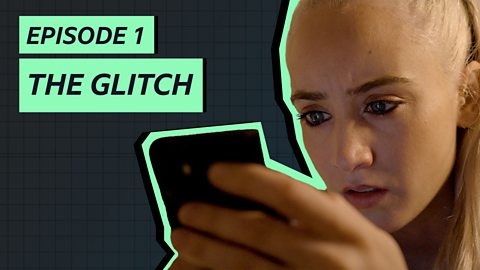
Solve The Story: Episode 1
The Glitch: A fake viral video puts Misha in the spotlight for all the wrong reasons.
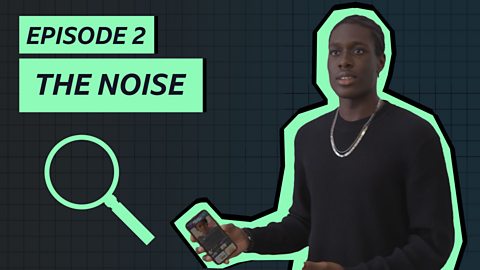
Solve The Story: Episode 2
The Noise: Hostile comments deepen Misha’s fallout from the fake viral video but something doesn’t add up...
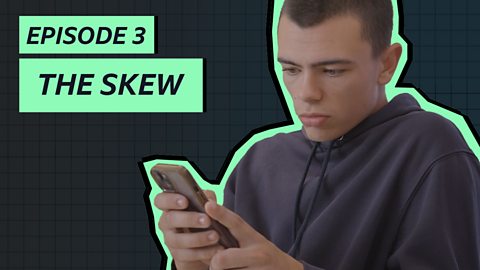
Solve The Story: Episode 3
The Skew: When an online influencer skews the viral video for clicks, Misha spirals deeper into the noise.
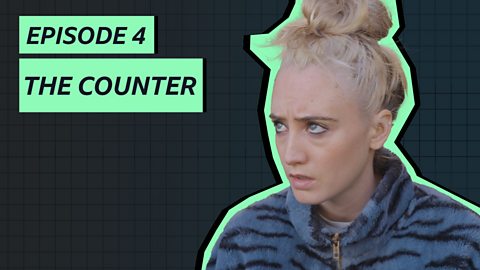
Solve The Story: Episode 4
The Counter: Misha, Sam and Aaron try to reclaim the narrative with their own video but not everyone is convinced.
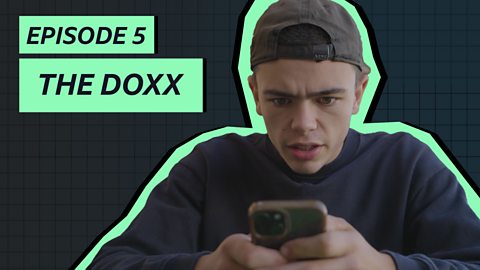
Solve The Story: Episode 5
The Doxx: Misha is overwhelmed with calls and messages, but a suspicious DM offers answers.
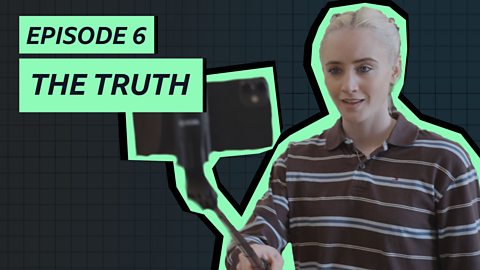
Solve The Story: Episode 6
The Truth: A leaked DM, a whistleblower, and a livestream that could change everything. Can you connect the dots?
3. How-to guides
4. Classroom films
James: Have you ever scrolled past a headline that made you think twice? Or viewed a video that seemed so wild you had to share it?
Social media can be a powerful tool for connection and creativity, but it's equally important to understand how and why stories are shaped and shared.
In a world where we're bombarded with online content, it's getting harder to separate facts from fiction.
Today, we're going to take a closer look at how misinformation and disinformation work.
(MUSIC)
By the end of this film, you'll have some of the critical thinking skills needed to investigate online media.
These skills are vital for analysing sources, but also for managing your own digital lives and wellbeing online.
Let's look at three headlines for the exact same event.
I want you to think about how each one makes you feel and why.
How does the tone, language and image in each one change the story? Who is the headline aimed at? And what emotional reaction is it trying to get from you?
Pause the video and take a few minutes to break each headline down.
(MUSIC)
You've probably noticed how just a few words can completely reframe a story, by telling it from a different angle.
That's not an accident.
Some online content and headlines are specifically engineered to make you have an emotional reaction that gets you to click, increasing the chances that that post will go viral.
It's important to know the difference between misinformation and disinformation.
Misinformation is false content shared by people who are misinformed.
They don't know the real facts and don't realise the information is fake.
But disinformation, often known as fake news, is created with a specific purpose to deliberately mislead you, either to influence your opinions, to make money from your clicks, or simply to stir up anger and division.
It works by triggering a strong emotional response like shock, amusement, or outrage.
That feeling bypasses our critical thinking and pushes us to share instantly.
The real trick is to ask, 'What information is being left out of this picture or clip to make me feel this way?'
'How does this piece of content compare to other pieces of content on the same topic?'
Now, your mission is to become the creators of disinformation.
Pick a completely mundane school event - someone handing out textbooks or the food being served up for lunch - anything you can think of.
Your task is to create a sensational misleading headline for that event. Your goal is to make people click, even if the story isn't true.
How could you frame that simple action to make it seem shocking or scandalous?
(MUSIC)
Creating your own disinformation shows just how easily reality can be distorted.
Think about how easy it was to twist the story. What information did you include and leave out?
What were the differences between your version, other students' versions, and the simple facts about the events?
Next time you see a viral story or post online, you'll know what to look out for and you can make up your own mind as to whether it's true or not.
Remember to always question the intent behind a story. Analyse the tone, look at what context might be missing, and pay attention to how it makes you feel.
Before you believe it, and especially before you share it, take a moment to deconstruct it and cross-reference it against other sources.
Always ask 'Who made the story and why?' The goal isn't to distrust everything you see, but to be an active critical thinker.
JAMES: How do you know who and what to trust online?One minute you're reading a news article, the next you're scrolling through comments, memes, and AI-generated advice, all from completely different creators.
It's a lot.
But there are skills and tools you can use to critically analyse online sources, check what you see, stay safer online, and be a responsible digital citizen.
(MUSIC)
Let's start with a challenge. On the screen, you'll see several comments from different users about a single event. Your task is to discuss which of these voices you would trust, and more importantly, why. What clues do you use to decide if the post is reliable? Take a few minutes to debate this in your groups.
(MUSIC)
Deciding who to trust is tricky. Every comment and post you see has been generated either from a person or a computer system, and a fundamental skill is learning to question it before you trust it.
Some online comments share real opinions, while others try to mislead, sell something or push an agenda. Understanding and spotting the difference is key.
This is more important than ever with the rise of Artificial Intelligence, or AI. Generative AI can be used to create incredibly realistic fake images or offer harmful advice that sounds convincing. This means your critical thinking is a key part of staying safe online.Being able to spot AI-made or out of context images helps you avoid being misled by what you see online.
So, what are the strategies for verifying information? First, cross-reference what you see. If you read a shocking claim, your first move should be to check if you can find the same story from at least two other reliable, well-known sources. If you can't, that's a major red flag.
Second, analyse the source itself for clues to its trustworthiness. Look at the design. Does it seem professional or is it full of ads and spelling errors? Pay attention to the tone and language. Is it calm and objective, or is it emotional and clearly trying to make you angry or scared?
Now for your second task, you're going to become digital investigators. Take a look at these images. Some of them have been used out of context and others have been generated by AI. Your mission is to investigate their origin. You could use a reverse image search or look for clues in the image itself. Where did it first appear? Has its meaning been twisted as it's been shared? Are there any clues in that image that suggest it may have been generated by AI?
(MUSIC)
Being a critical consumer of media is an active job. It's about asking questions, not just passively scrolling and believing everything you see or read online.
You now have the tools. Question the source, be extra cautious with user comments and AI content, and always cross-reference to check and verify.
The next time you're online and something doesn't look or feel right to you, remember the most important question you can ask. Who do I trust here, and why? That question is your best defence in the digital world.
(MUSIC)
JAMES: Same event, but two completely different stories.
How is that possible?
Welcome to the world of media bias.
Reports of events can be twisted, depending on what the content creator wants you to believe.
So, we're going to look at the reasons and biases that may influence how media content is created.
You'll learn to spot bias, understand how it works, and know how to find the real story.
This is a vital skill to help you become a smarter media consumer.
On screen, there are two reports that have been written about an online video that has been manipulated using AI.
Your first task is to analyse the reports.
Think about how the specific language and overall tone changes the story being told.
What is each report trying to make you feel or think?
(MUSIC)
You've just explored how the way a story is shaped can influence how we understand it.
Every choice, from the words in a headline to the photo selected for the thumbnail, shapes the meaning.
This is media bias.
Sometimes it's obvious but often, it's subtle.
Each of those articles highlighted a different type of bias.
Article 1 demonstrated bias by omission where important details are deliberately left out.
This report admits the critical fact that the video was later confirmed to be AI generated, presenting a fabricated event as real news.
And then there's confirmation bias, which is when we believe something just because it matches what we already think.
Article 2 demonstrates this by framing an isolated incident as proof that skaters are badly behaved, reinforcing a pre-existing negative stereotype.
Articles and posts that appear on your social media feeds are supercharged by algorithms; computer programs that learn what you engage with and feed you more of the same.
They can sometimes reinforce your existing views and potentially create an echo chamber.
This can lead to you hearing only the things you already think and believe, echoed back to you, making you think everyone has the same view.
The more shares or comments a piece of content gets, the more likely it will be prioritised by the algorithm.
This means sensationalist and shocking content often performs better.
There are news organisations that try to avoid this and give a balance of facts and opinions to allow you to make up your own mind,but because they're less sensational, they sometimes get less traction online.
Now, let's put your new skills to the test.
For your second task, you're going to become the journalist.
Choose one of these simple, neutral statements.
Your mission is to rewrite it twice.
First, write a short news article or social media post, giving the chosen story a really positive spin so it sounds like really good news.
Then, write a second version giving it a completely negative spin, as if it's terrible news.
Think about the powerful, persuasive words you could use to shape your reader's opinion.
(MUSIC)
By creating your own biased reports, you can see how easily a story can be manipulated.
Lots of media has bias and it can come in many forms, and algorithms can trap us in echo chambers.
One key skill to help understand the real story is to always cross-reference at least two different sources reporting the same events and ask yourself,
“Is this report telling me what to think or presenting me with enough information to make my own mind up?”
By doing that, you're not just finding the facts.
You're taking control of your own perspective.
JAMES: Every time you post a video, a story or an online comment, you become a content creator.
You have the power to make someone laugh, teach them something new or share your passion with the world. But with that power comes responsibility.
(MUSIC)
Today, we're exploring the ethics of creating content, understanding your influence and thinking about the impact your digital footprint can have.
This is a vital part of helping you to navigate the online world safely and be a positive digital citizen. Let's start by thinking about what feels real.
A highly polished video isn't necessarily more trustworthy, as it could have been created using multiple takes and edited to present a particular view.
Authenticity is a huge part of content creation. Something that feels real is not always true. Authenticity can be fake too. But beyond style, every creator has two responsibilities: ethical and legal.
The content you make has the ability to influence how people think and feel, both positively and negatively. It's crucial to understand your audience and the potential impact of your words and images.
You must also remember that anything you post online can be saved, shared or changed, and once it's out there, you lose all control over what other people do with it.
Once it's out there, it's out there forever.
This carries serious risks, especially when it comes to sharing images of other people.
Sharing images or videos of others without their consent, even if it seems harmless, can break the law.
Online actions have real world consequences. You're going to create an authenticity meter.
Design a checklist or a scale to rate how real a piece of content feels. Think about the criteria. Is the language natural? Is the editing style obvious?
Does the emotional tone seem genuine? Does it feel like the creator actually cares about how people might feel, watching this?
(METER)
Your authenticity meter is a brilliant tool for thinking critically about the media you consume and create.
Being a creator comes with ethical duties. It's really important to understand your audience and your influence, and be aware that anything you share can stay online forever.
Always think before you post. What will the audience think about what you're sharing? And will you be happy that this piece of content is online next year, or even in ten years’ time?
By being a responsible and authentic creator, you can use your voice to have a positive impact in the digital world.
JAMES: What does your online profile really say about you?
Every like, every search, every share — it all leaves a trace.
Today, we're exploring how your digital life shapes your identity and why it matters.
(MUSIC)
We'll look at how to stay safe and respectful in online spaces.
Ultimately, this is about giving you the tools to protect your digital identity and understand the consequences your digital actions may have.
Let's start by becoming digital detectives.
On screen, you'll see Misha's online day.
Your task is to identify every single action that leaves a digital trace.
Which of these moments becomes a permanent part of her digital footprint and which, if any, do not.
After identifying Misha's online traces, think about which of your own actions leave an online footprint and how they shape the way others might see you.
(MUSIC)
The answer is quite surprising.
Everything on the list leaves a digital trace. Even reading a news article without logging on leaves a trail of data that can be collected.
Nearly every click contributes to your digital footprint, which algorithms use to build a profile about you, sometimes creating a biased echo chamber — an online digital bubble on social media where you only see content that you agree with or like.
Being a good digital citizen means being mindful of these traces and being respectful online.
Another serious responsibility comes with what you share.
Once you send or post a photo or video, you lose all control. It can be copied, shared, and altered. If you are ever worried about an image that has been shared, you can get help.
Talk to a teacher, a trusted adult, or use the report buttons on the app.
You will not be in trouble for asking for help.
Now, let's think about identity.
I want you to create a fictional digital persona.
Detail their online habits, what social media apps they use, sites they visit, and any other digital activities they do, such as uploading videos and pics, commenting, or posting on sites.
You'll then swap your digital persona with someone else and explore their digital footprint and what it makes you think about them as a person.
(MUSIC)
By evaluating a fictional persona, you can reflect on your own digital identity.
Our online actions are permanent, and being a respectful digital citizen comes with serious ethical and legal responsibilities.
Always think before you post, be kind, and know where to go for help.
Your digital footprint is your story. Make sure it's one you're proud to tell.
5. Further teaching resources
6. Watch the trailer
7. Where next?
What is the Other Side of the Story?
1Xtra's Reece Parkinson explains why it's important to check the facts and take an impartial view.
Bitesize for Teachers
Free classroom resources for primary and secondary school teachers.